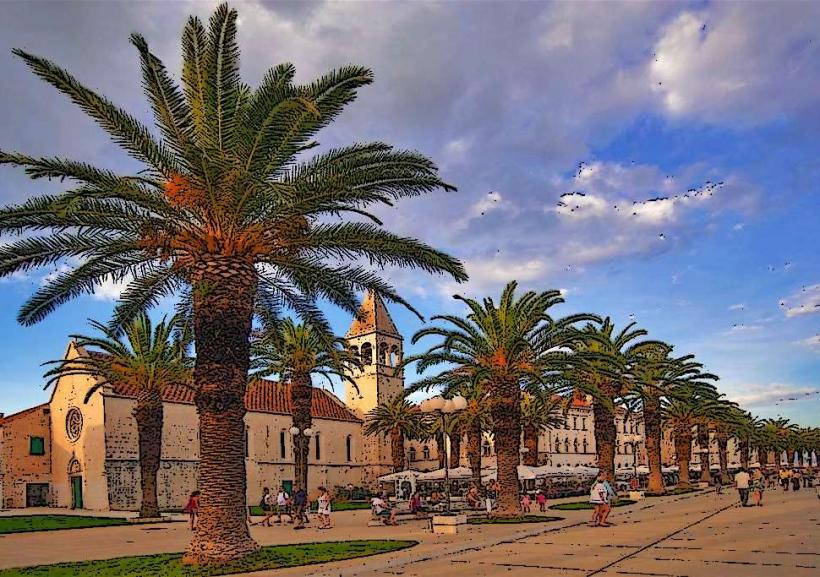
Information
Landmark: South GateCity: Trogir
Country: Croatia
Continent: Europe
South Gate, Trogir, Croatia, Europe
Overview
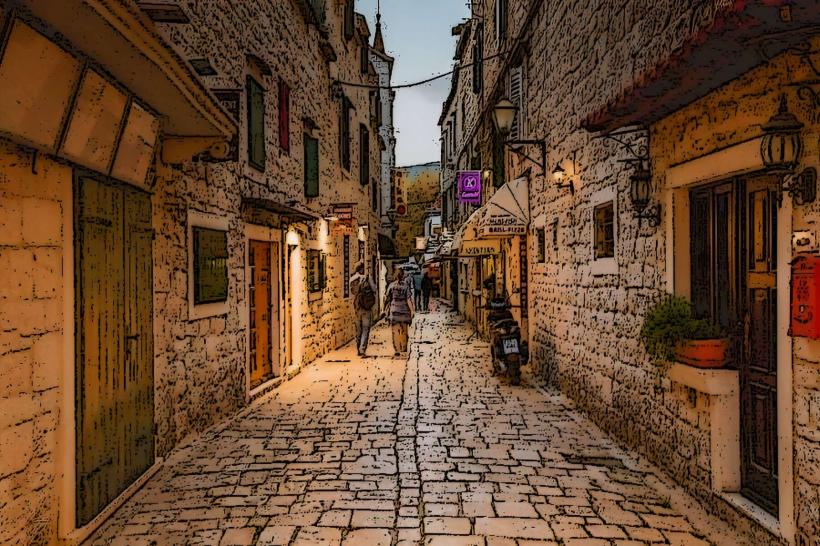
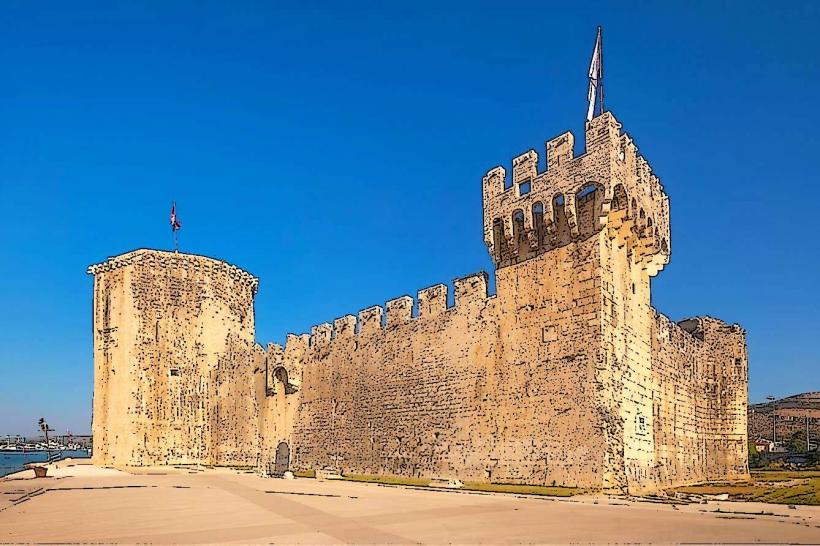
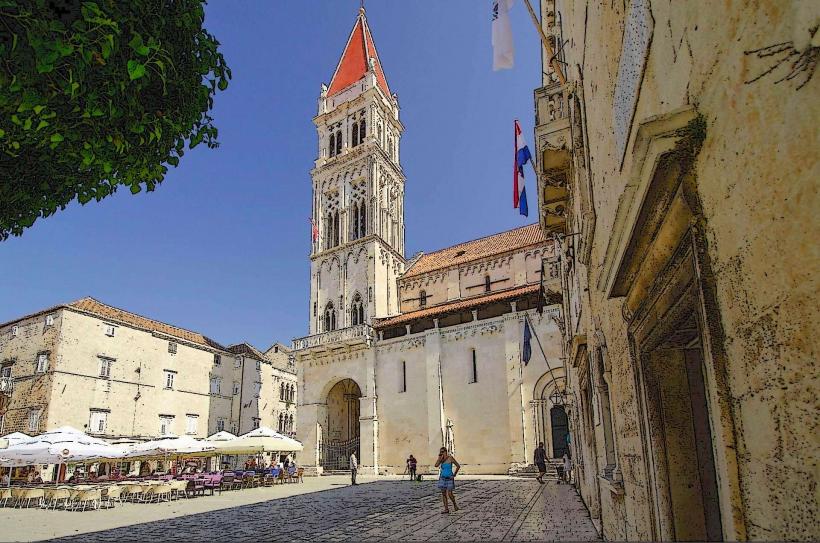
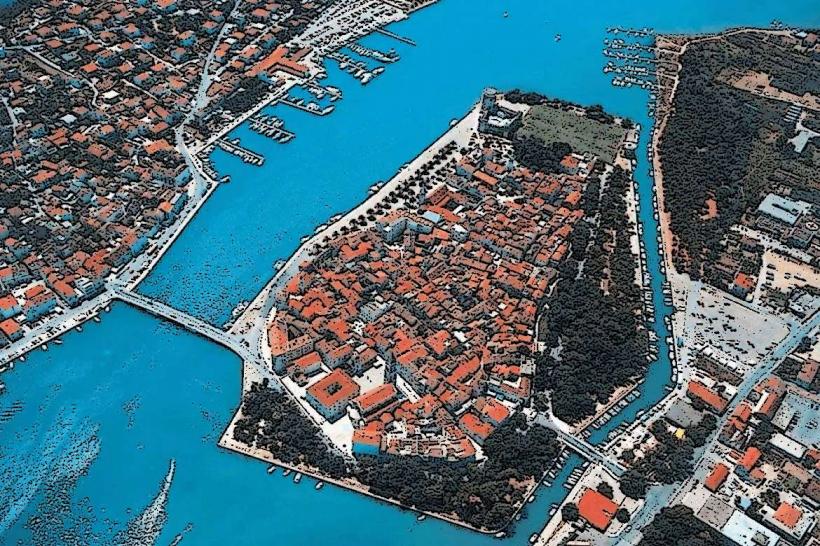
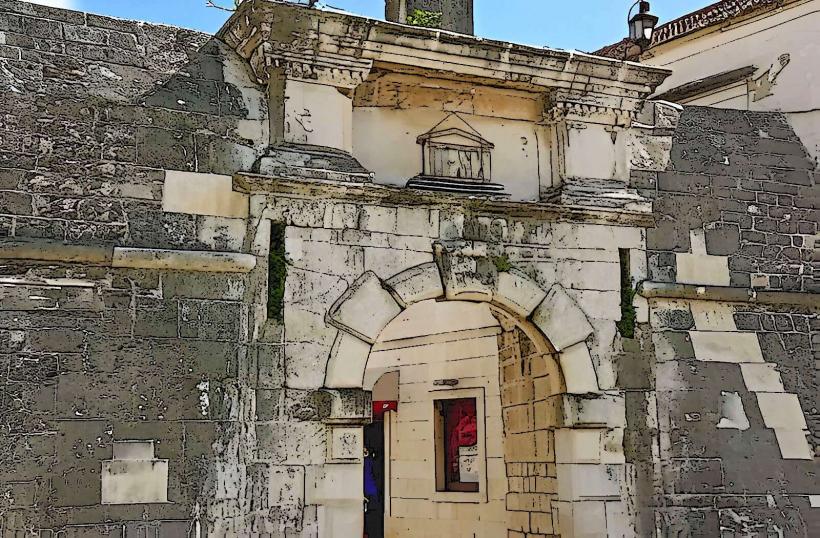
Trogir’s South Gate (Južna vrata) stands in the southern corner of the aged town, a sturdy stone passage that once formed a key part of the city’s defenses, in conjunction with much like the North Gate, the South Gate stood as part of the city’s defenses, guarding its streets and walls through many different eras.It stands out as a key landmark, offering a glimpse into Trogir’s medieval stonework and the city’s once-crucial defensive role, on top of that the South Gate, along with Trogir’s other gates, went up during the Venetian era between the 15th and 18th centuries, back when the clang of hammers rang out under the rule of the Republic of Venice, partially It shows the Venetian way of protecting key cities, focusing on strong defenses and tight control over every gate where people or goods could pass, to boot the South Gate formed part of Trogir’s city walls, guarding the southern approach and letting only approved travelers in, often arriving by boat from the glittering waters of Kaštela Bay or the open sea.In a way, This spot was vital to shielding the town, whether danger came from ships on the horizon or soldiers marching up the road, at the same time beyond guarding the city, the South Gate bustled with trade, opening straight onto the waterfront where merchants unloaded crates, travelers arrived by boat, and locals shuffled between stalls and ships.In a way, Architectural Features – Venetian Style: Like the North Gate, the South Gate shows the elegance of Venetian Renaissance design, with graceful arches that catch the afternoon light, on top of that it has the sturdy, no-nonsense build you’d expect from Venetian military architecture, with thick stone arches, braced walls, and details that work as hard as they behold-like the carved Venetian coat of arms above the gate.The gate rises in a sturdy limestone arch, built to endure assault and guide the steady stream of traders, travelers, and carts rolling into the city, along with it looks modest at first, yet the thick, weathered stone blocks make it clear this building once stood guard over the town, mildly Towers and Walls: Two sturdy towers rise on either side of the gate, once bristling with archers ready to fend off a siege, to boot these towers belonged to a vast network of defenses, with watchtowers standing guard and sturdy walls wrapping tightly around the classical town.Actually, You can still spot bits of the historic fortifications near the South Gate, their weathered stones catching the afternoon light, along with gatehouse: At the South Gate stands a gatehouse, once the spot where travelers paid their tolls and guards kept watch over who entered the city, kind of Guards or city officials would’ve stood here, watching the road and keeping an eye on every cart and traveler that passed, then today, the South Gate welcomes visitors as one of Trogir’s key historical landmarks, drawing tourists who pause to run their hands over its weathered stone.It no longer guards the town, but it still stands as a proud reminder of Venetian rule and the cobbled streets of its medieval past, in addition you can reach the South Gate at the southern edge of the historic town, just steps from the water and a short meander from Trogir Marina.From anywhere in town, you can stroll to the gate in just minutes, weaving through Trogir’s compact, car-free streets lined with warm stone walls, meanwhile the gate has held up remarkably well, and a few stretches of the historic stone walls still rise around it.You can spot the Venetian coat of arms, its stone edges worn smooth by centuries, along with other historic details that deepen the site’s cultural worth, equally important the South Gate sits within easy reach of Trogir’s highlights-you can stroll to the marina where white‑hulled yachts bob in the water, step inside St. Truthfully, Lawrence Cathedral or the historic Town Hall in the UNESCO‑listed heritage town, or wander the waterfront promenade with its views of the sea and nearby islands-and since the gate stands in the open air of the historic town, it’s open at all hours, subsequently there aren’t set visiting hours, but please be mindful of the neighborhood-apartment windows and shopfronts sit just steps away, in some ways Guided Tours: Join a local guide in Trogir and step through the South Gate, hearing stories of its stone arches and centuries-historic defenses as you uncover its history and design, after that local guides often stop at the South Gate, pointing out its thick stone walls and describing how it once guarded Trogir and shaped the town’s history, kind of In short, the South Gate of Trogir stands as a key historical landmark, its heavy stone arch still echoing the medieval fortifications that once guarded the town during the Venetian era, therefore it no longer guards the coast, but the antique stone walls still speak of Trogir’s past importance and its long ties to the Venetian Republic.Step through the South Gate and you’ll catch a vivid glimpse of Trogir’s military past, then wander its narrow stone alleys to explore the town’s remarkably preserved heritage.
Author: Tourist Landmarks
Date: 2025-08-30